Custom Butcher Paper
Brief from client
Custom butcher paper keeps food fresh while showcasing your brand at every counter, table, and barbecue. Add your logo and design to create a memorable, professional presentation.
https://zeepackaging.com/products/custom-butcher-paper/
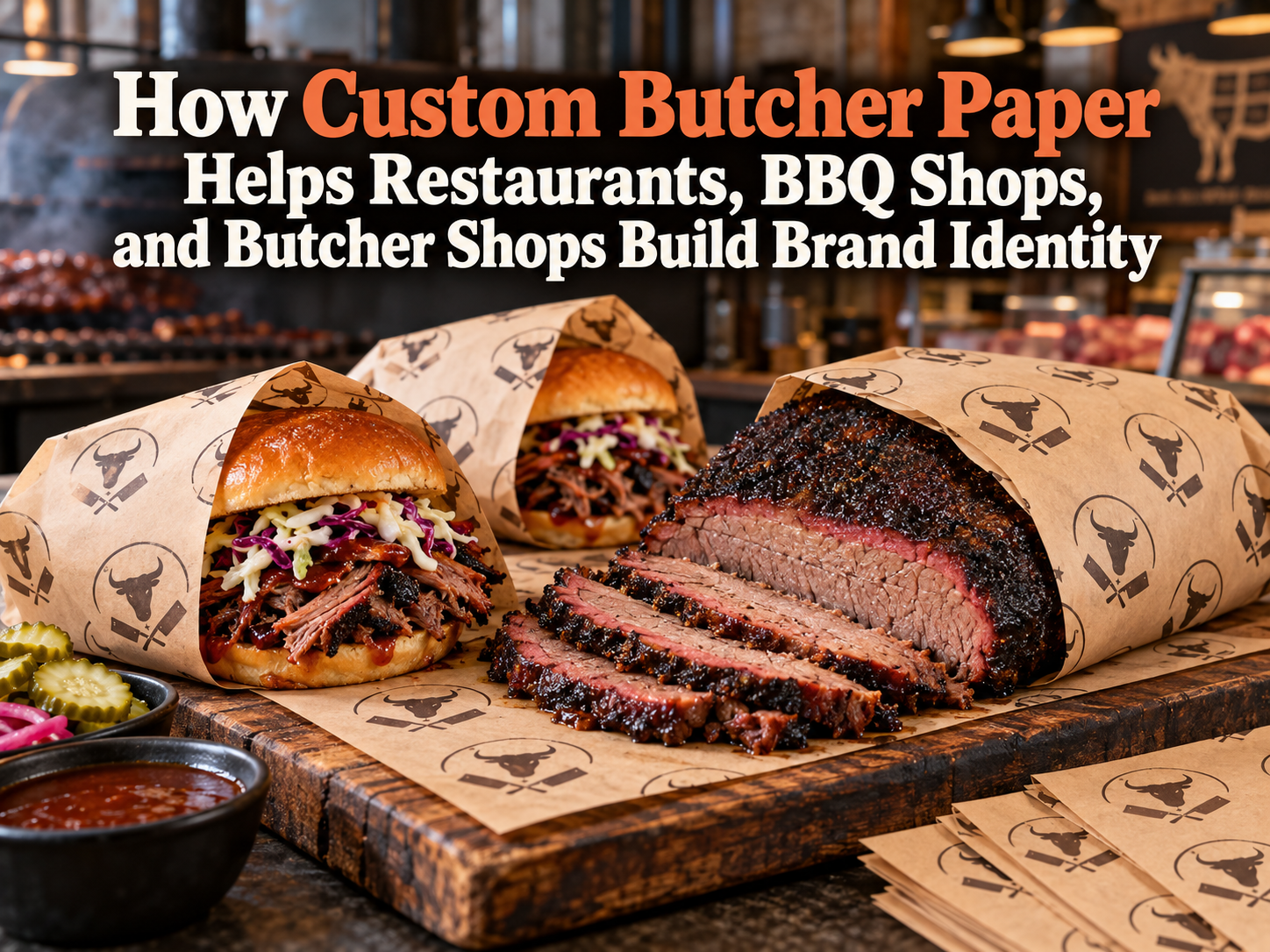
How Custom Butcher Paper Helps Restaurants, BBQ Shops, and Butcher Shops Build Brand Identity
Walk into any serious barbecue joint in Texas and you will notice the food never arrive on a plate. It come out on a sheet of pink butcher paper, laid flat on a tray, brisket slice fanned across it with the fat still glistening. That paper is not an accident. It has become part of how the food is understood, and over the last decade it turned into one of the most recognizable branding surface in the food service world.
Why Paper Became A Branding Surface
For a long time butcher paper was purely functional. It wrapped meat, it absorbed moisture, it kept the counter clean. Nobody thought of it as marketing.
That changed when shops started printing on it. A logo repeating across the sheet, a slogan in the corner, a pattern that match the shop awning. Suddenly the wrapping was doing two jobs at once, holding the product and carrying the name.
The reason it works so well comes down to a few things:
Customers physically handle it, so the contact time is longer then a receipt or a bag
It photographs beautifully, which matters a lot when people post their food
It sit directly under the product, so the brand and the food share the same frame
It cost very little per unit compared to almost any other printed material
The Three Business Types Using It Differently
Barbecue shops lean on it hardest. Pink butcher paper, sometimes called peach paper, is already part of the cooking process in the Texas crutch method, and serving on it extend that story to the customer. The paper say “we smoke this ourselves” before anyone take a bite.
Butcher shops and meat counters use it for wrapping and labeling. Here the paper is a trust signal. A cut handed over in printed paper with the shop name read differently then the same cut in a plain plastic film. It suggest a counter with a butcher behind it, not a chilled shelf.
Restaurants mostly use it as table liner, basket liner and takeout wrap. Burger places, sandwich shops, seafood boils and taco spots all put printed sheets under the food. For a casual restaurant, it replace a printed plate and give the table a finished look without buying expensive tableware.
What Actually Gets Printed
The design rules here are different from a box or a label, because the surface is uncoated and the ink is going to sit under food.
Most shops keep it simple:
A repeating logo tile across the full sheet
One large centered mark with blank space around it
A border pattern with the name along the edge
Social handles or a QR code in one corner
Food safe ink in one or two colors, usually black or a single brand color
Full color photography on butcher paper rarely look good. The stock is absorbent, the ink spread slightly, and fine detail get lost. One or two flat colors almost always read better.
The Practical Side
A few things worth knowing before anyone orders:
Food contact grade matters. The paper and ink both need to be rated for direct food contact, especially for hot and greasy items
Weight is usually 30 to 60 lb depending on whether it is used for serving or wrapping
Rolls work for counters and continuous wrapping, precut sheets work for serving and lining
Uncoated and unwaxed paper breathe, which is what keeps bark crisp on smoked meat
Pink or peach paper is the traditional barbecue choice, white and natural kraft are common for butcher and deli use
Specification details like food grade stock weights, roll widths and ink options are listed by suppliers such as https://zeepackaging.com/, which is a reasonable place to compare what is standard across the category before committing to a print run.
The Cost Argument
This is where it become compelling for small operators. A printed sheet of paper cost a fraction of a printed box, a custom cup or a branded bag, but it touch every single order. A shop doing two hundred covers a day is putting its name in front of two hundred people for a few cents each.
Compare that to the cost of a radio spot or a print ad and the math look obvious. The paper is already a line item in the budget. Printing on it does not add a new expense category, it just upgrade one that already exist.
Consistency Across Touchpoints
The strongest use of printed paper is when it match everything else. The same mark that appear on the sign, the shirt, the menu board and the cup should appear on the paper. When a customer unwrap a sandwich and see the same logo they saw on the door, the brand feel coherent rather then assembled from whatever was cheapest.
Many shops start with https://zeepackaging.com/products/custom-butcher-paper/ sheets and then extend the same artwork across liners, bags and wrapping rolls so the whole counter read as one system.
What It Signals
Underneath all of it, printed butcher paper communicate something specific. It say the food is handled, not assembled. It borrow the visual language of old meat counters and smokehouses, which is exactly the authenticity signal most barbecue and butcher businesses are trying to project.
That is why a sheet of paper, of all things, end up being one of the more effective identity tools available to a food business. It is cheap, it is everywhere in the operation already, and it put the brand in the customer hand at the exact moment the food is in front of them.